

Feeling nervous before a performance is completely normal, and it’s something that many people experience. Fortunately, there are a few things you can do to help calm your nerves before a performance.
Here are three things to try:
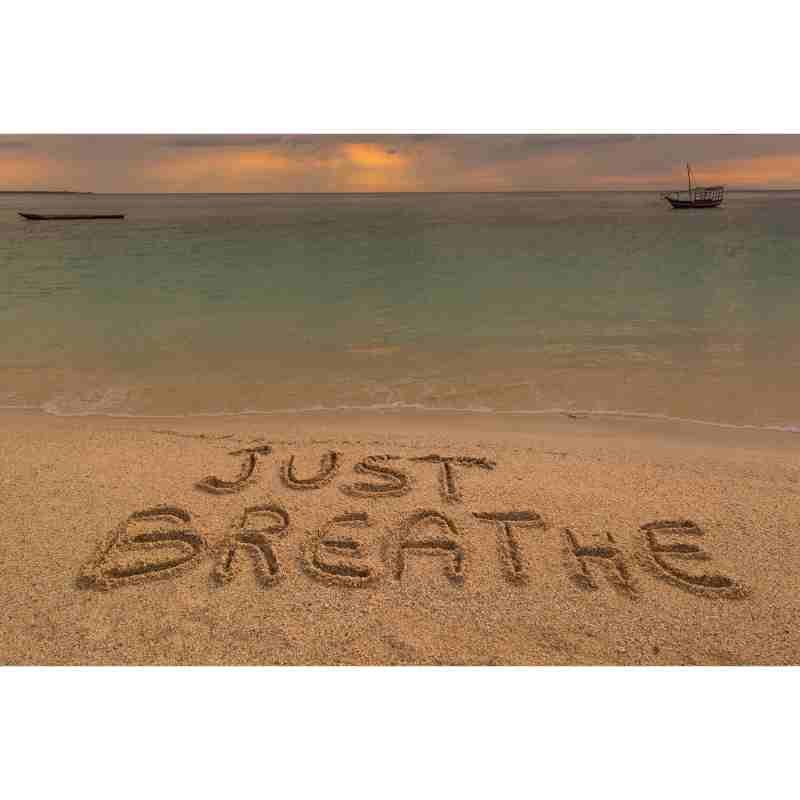
1. Practice deep breathing
Deep breathing is a simple yet effective way to calm your nerves. Take a few deep breaths in through your nose and out through your mouth. Focus on the sensation of your breath filling your lungs and then leaving your body. This can help slow down your heart rate and reduce feelings of anxiety. As you develop in your breathing practice consider the use of a box breath as well.
2. Visualize success
Visualization is a powerful tool that can help you feel more confident before a performance. Take a few minutes to imagine yourself performing well and receiving praise from the audience. Try to make the visualization as detailed as possible, and focus on the positive feelings that come with success.
3. Stretch and move your body
Physical activity can be a great way to reduce stress and anxiety. Try doing some light stretching or taking a short walk before your performance. This can help release tension in your body and give you a boost of energy. Send your arms high up overhead and feel the stretch all throughout your rib cage. As your arms return to your sides, maintain this uplifted feeling throughout your middle body.
Remember, feeling nervous before a performance is normal, and it’s okay to take some time to calm yourself down. With a little bit of practice, you can learn how to manage your nerves and perform with confidence. And if you’d like to tip the balance even more in your favor, remember that practice translates to competence, which translates to confidence.
One of my favorite books on breathing is called, “Breath” by James Nestor. It’s not only incredibly informative, but it’s also not a snore. Quite an enjoyable read!


